

Nashville is famous for its live music, neon signs, and lively honky-tonks. But some of the most interesting hidden gems in Nashville sit just beyond the crowds of Broadway. From musical architecture to landmarks that helped shape American history, Music City offers plenty of unexpected discoveries.
You don’t need to travel far from downtown to experience this different side of Nashville. Fascinating stories are hidden within familiar buildings, public spaces, and historic streets. Exploring with Urban Adventure Quest gives you a reason to slow down, look closer, and discover details you might otherwise miss.
1. The Musical Architecture of the Country Music Hall of Fame
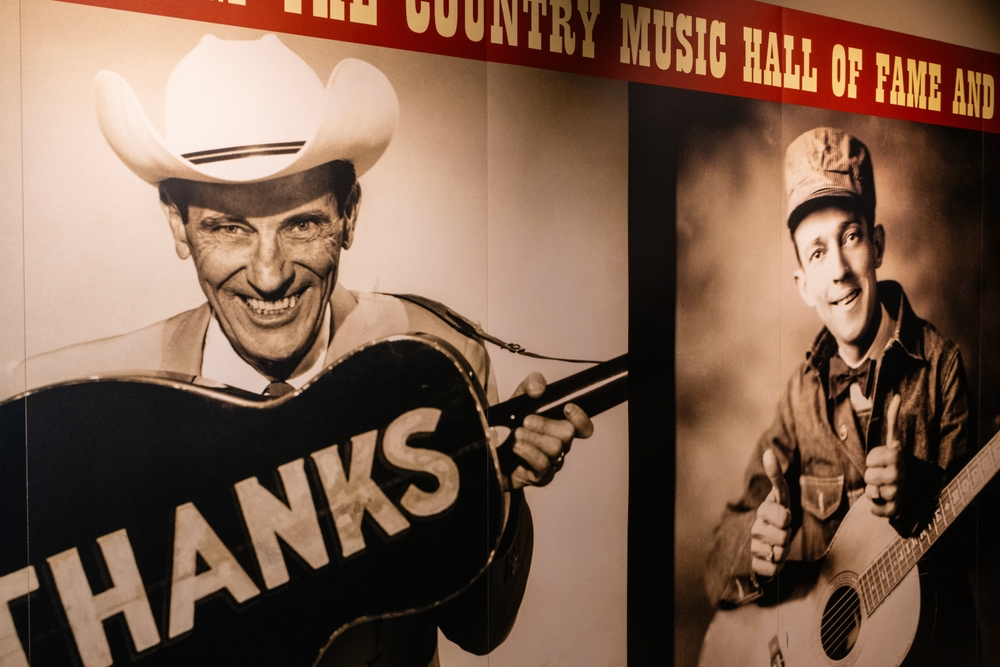
Most visitors associate the Country Music Hall of Fame and Museum with legendary performers and historic recordings. However, the building itself tells a story about America’s musical heritage. Its architectural features celebrate the instruments, technology, and rural traditions that helped shape country music.
The front windows resemble black piano keys. The circular Hall of Fame Rotunda draws inspiration from rural water towers and grain silos. Four circular levels on the roof represent different recording formats, including 78 rpm records, vinyl LPs, 45 rpm singles, and compact discs.
Other architectural details reference radio broadcasting and musical notation. Even the building’s shape, when viewed from above, contains a musical reference. You can learn more about these features through the museum’s official architectural guide.
Before heading inside, spend a few minutes examining the building’s exterior. See how many musical references you can identify with your group. It’s a great reminder that Nashville’s music history extends beyond its exhibits and performance venues.
2. The Musical Diversity of the Music City Walk of Fame
Across from the Country Music Hall of Fame, you’ll find the Music City Walk of Fame. Established in 2006, this public landmark celebrates performers, songwriters, and industry professionals connected to Nashville. Its collection of stars reveals a musical heritage that extends well beyond country music.
Look past the familiar country legends and you’ll discover artists representing rock, gospel, pop, and rhythm and blues. Elvis Presley, Little Richard, Michael McDonald, and Ben Folds have all received recognition. Their inclusion reflects Nashville’s influence across generations and musical genres.
The Walk of Fame offers a free outdoor experience for families, couples, and music lovers. Challenge your group to identify artists from different musical genres. You might even discover a musician worth adding to your travel playlist.
3. The Remarkable Story Behind Schermerhorn Symphony Center
The Schermerhorn Symphony Center offers a welcome contrast to the energy of Lower Broadway. Its classical columns, elegant exterior, and architectural details reflect Nashville’s appreciation for orchestral music. Yet one of the building’s most remarkable stories has little to do with music itself.
In May 2010, severe flooding devastated parts of Middle Tennessee. Approximately 5.25 million gallons of water entered the symphony center, causing more than $40 million in damage. The flood destroyed musical instruments, electrical systems, and other essential equipment.
Despite the damage, the community came together to restore the venue. The concert hall reopened on December 31, 2010, with a performance featuring violinist Itzhak Perlman. The Nashville Symphony’s history offers more insight into this remarkable recovery.
The concert hall also contains an unexpected engineering feature. Its orchestra-level seating can move beneath the floor, creating an open ballroom for special events. Behind its traditional appearance is a building designed with modern technology and remarkable flexibility.
4. The Architect Buried Inside the Tennessee State Capitol
Standing above downtown Nashville, the Tennessee State Capitol is one of the city’s most recognizable historic landmarks. Construction began in 1845, and workers completed the building in 1859. However, its architect, William Strickland, never saw his finished creation.
Strickland died in 1854 while construction was still underway. Rather than being buried in a cemetery, he was laid to rest within the Capitol itself. Today, his tomb remains in the building’s northern exterior wall.

Strickland isn’t the only historical figure buried at this site. President James K. Polk and his wife, Sarah Polk, are buried on the Capitol grounds. Their tomb adds another layer of American history to this prominent Nashville landmark.
Visitors can explore the grounds and appreciate the building’s Greek Revival architecture. The Tennessee State Museum also provides historical information and details about visiting the Capitol. Allow extra time to appreciate the architecture, monuments, and surrounding views.
5. A War Memorial With an Unexpected Musical History
Near the State Capitol stands Nashville’s historic War Memorial Building. Dedicated in 1925, the building honors Tennesseans who lost their lives during World War I. Its purpose, however, extends beyond remembrance.
City leaders envisioned a memorial that would serve the community. The building incorporated government offices, commemorative spaces, and a public auditorium. This combination created a place where history, civic life, and entertainment could come together.
Between 1939 and 1943, War Memorial Auditorium hosted the Grand Ole Opry. It also served as a performance venue for the Nashville Symphony for many years. These musical connections make the building an important part of Nashville’s cultural heritage.
Take time to observe the memorial’s architecture and commemorative details. Its history demonstrates how Nashville’s musical identity developed in places beyond traditional recording studios and entertainment districts. Sometimes the most interesting stories come from buildings you wouldn’t expect.
6. The Hermitage Hotel and the Fight for Women’s Voting Rights
The Hermitage Hotel opened in 1910 near the Tennessee State Capitol. Its elegant Beaux-Arts architecture reflects an earlier era of Nashville’s development. However, the hotel played an important role in a national movement that changed American history.
In 1920, Tennessee became the center of the campaign to ratify the 19th Amendment. Thirty-five states had already approved the amendment, and one more was needed. Supporters and opponents gathered in Nashville, with many operating from The Hermitage Hotel.
Campaigners identified themselves through colored roses. Yellow roses represented support for women’s suffrage, while red roses represented opposition. These symbols reflected the competing efforts taking place throughout the city.
On August 18, 1920, Tennessee legislator Harry T. Burn voted in favor of ratification. His decision helped Tennessee become the 36th state to approve the amendment. A letter from his mother encouraging him to support women’s suffrage influenced his historic vote.
Today, The Hermitage Hotel remains a reminder of Nashville’s role in expanding American voting rights. Its story offers a different perspective on the city’s importance. Music may define Nashville’s reputation, but its contributions to American history reach much further.
7. The Story Behind Ernest Tubb Record Shop
Broadway’s famous neon signs often draw visitors toward its live music venues. Among them stands a landmark with deep roots in country music history. Ernest Tubb Record Shop represents an important chapter in how music reached audiences across America.
Country music performer Ernest Tubb established his record business in 1947. At the time, country music fans often struggled to find recordings by their favorite artists. His shop helped make those records more accessible while connecting performers with their audiences.
Tubb also created the Midnite Jamboree, a late-night radio program featuring live musical performances. Established musicians and emerging artists appeared on the program following Grand Ole Opry performances. These broadcasts helped introduce new talent to country music listeners.
The shop closed in 2022 before reopening in 2025 following restoration and a change in ownership. Its history reflects the relationship between radio, recording technology, retail, and live entertainment. Look beyond the neon sign and you’ll discover a landmark that helped shape Nashville’s music industry.
Tips for Discovering Nashville Beyond Broadway
Many of these hidden gems are within walking distance of one another. You can explore downtown Nashville without spending your entire day traveling between attractions. A little planning can help you discover more while enjoying the city’s atmosphere.
- Explore earlier in the day: Morning outings give you more opportunities to appreciate architecture and public spaces before Broadway gets busy.
- Look above street level: Historic buildings often feature decorative details, sculptures, inscriptions, and symbols that are easy to overlook.
- Wear comfortable walking shoes: Downtown Nashville includes hills, particularly around the State Capitol.
- Check attraction hours: Museums, government buildings, and performance venues may have different access requirements or operating hours.
- Leave time for unexpected discoveries: Stop for photographs, explore public art, or visit a local restaurant along the way.
Whether you’re visiting Nashville for the first time or returning for another weekend, these simple tips can change your experience. Approach the city with curiosity rather than a checklist of famous attractions. You’ll start noticing details that give each neighborhood and landmark its character.
Discover More of Nashville’s Hidden History
There’s more to Nashville than its famous music venues and neon-lit streets. Many of its most interesting stories are hidden in plain sight. Our Nashville scavenger hunt tour brings these discoveries to life through interactive clues and challenges. It’s a different way to connect with the city’s history, architecture, and musical heritage.
Discover More Music, History, and Hidden Landmarks
Nashville isn’t the only destination where American music and history come together. If you’re planning a larger Southern road trip, explore the birthplace of rock and roll with our Memphis scavenger hunt. Discover another influential Southern music destination through our New Orleans scavenger hunt, where jazz, architecture, and cultural traditions shape the city’s identity.
Every Quest offers a different collection of landmarks, stories, and challenges. From historic downtown districts to waterfront communities, there’s always something new to discover. Browse our scavenger hunt locations across North America and start planning your next city adventure.


