

The hidden history of Chicago reveals itself in places you might least expect. A bridge can explain the city’s engineering achievements, while a carved figure can reveal an architect’s humor. Even a familiar chocolate dessert has roots in Chicago’s remarkable transformation during the nineteenth century.
Many of these stories sit within sight of the city’s famous skyscrapers. At Urban Adventure Quest, we believe small discoveries can change how you experience a city. These five landmarks reveal a side of Chicago that often goes unnoticed.
1. Chicago’s Bridges Reveal a Century of Engineering Innovation
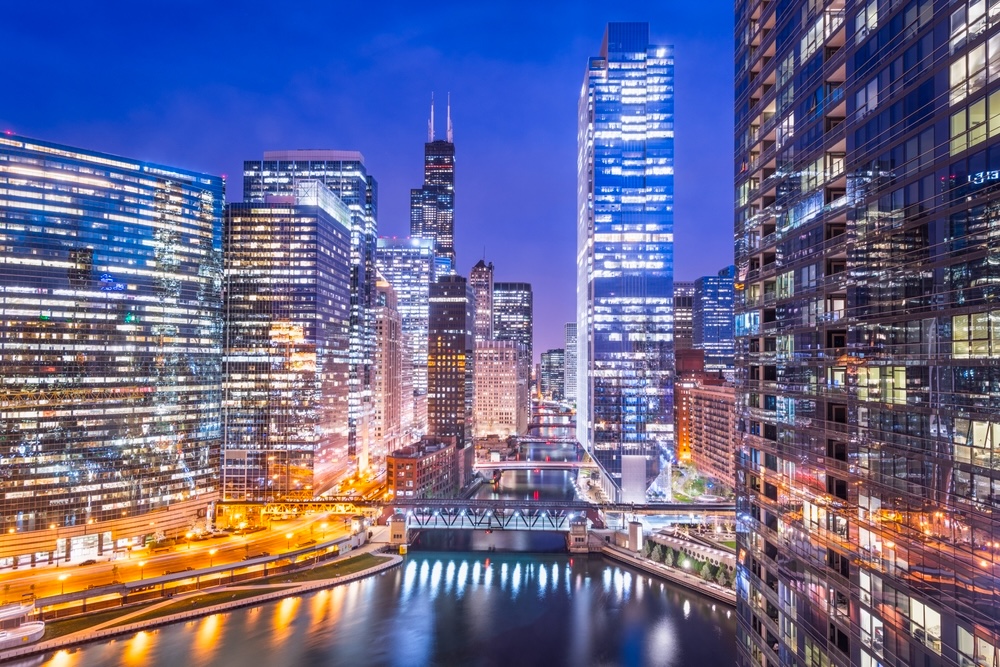
The Chicago River helped transform the city into a major commercial center. However, its growing popularity created a transportation challenge. Engineers needed to connect busy streets without interrupting the movement of ships carrying passengers and goods.
From Wooden Drawbridges to Modern Engineering
Chicago’s earliest movable bridge opened at Dearborn Street in 1834. Built from timber, its design resembled the drawbridges associated with medieval castles. As the city expanded, engineers experimented with different mechanisms to accommodate increasing traffic.
These experiments eventually led to the development of the Chicago-style trunnion bascule bridge. The design uses fixed pivot points and counterweights to raise sections of the bridge. Its movement resembles a balanced seesaw, allowing boats to pass without requiring a permanent opening.
Chicago introduced its first trunnion bascule bridge at Cortland Street in 1902. The design influenced movable bridge construction in other American cities. Its success established Chicago as an important center for urban engineering innovation.
What to Notice When Crossing the Chicago River
Many visitors focus on the skyline when crossing downtown’s bridges. Yet the structures beneath their feet deserve attention. Bridge houses, steel frameworks, and movable road sections reveal how engineers balanced practical needs with architectural design.
Some bridge mechanisms remain hidden beneath street level. Others become visible when the bridges open for passing vessels. The Chicago Architecture Center’s guide to movable bridges explains how these structures developed and why they remain significant.
2. Tribune Tower Contains Pieces of History From Around the World
Tribune Tower stands along Michigan Avenue with a distinctive Gothic Revival crown. Its decorative stonework resembles features found on medieval European buildings. However, some of the tower’s most unusual architectural elements sit within easy reach of the sidewalk.
How an Architecture Competition Shaped Chicago’s Skyline
In 1922, the Chicago Tribune organized an international competition to design its new headquarters. Architects John Mead Howells and Raymond Hood submitted the winning design. Their proposal combined the modern skyscraper with architectural influences drawn from historic European buildings.
Workers completed Tribune Tower in 1925. Its pointed arches, decorative carvings, and elaborate crown distinguished it from neighboring commercial buildings. The tower became an example of how architects could combine modern construction methods with traditional artistic expression.
A Collection of History Embedded in Stone
Look closely at the tower’s exterior, and you’ll notice fragments from landmarks around the world. Newspaper correspondents collected many of the earliest pieces at the request of Robert McCormick, the Tribune’s publisher. Additional fragments expanded the collection over the following decades.
Small inscriptions identify the locations associated with individual pieces. They connect an American skyscraper with distant countries, historic buildings, and significant events. Reading these inscriptions turns an ordinary stretch of sidewalk into an unexpected lesson in world history.
The Architects Left Their Own Hidden Signatures
Other details near the entrance reveal a more playful side of the building. A carved dog appears as a visual reference to John Mead Howells. A figure resembling Robin Hood represents his architectural partner, Raymond Hood.
Decorative figures inspired by Aesop’s fables also appear among the stonework. These artistic touches add personality to an otherwise imposing structure. They remind us that historic architecture can contain humor and personal expression alongside formal design.
3. The Bean Was Designed to Change With Its Surroundings
Cloud Gate is one of Chicago’s most recognizable works of public art. Known as The Bean, the sculpture attracts visitors to Millennium Park throughout the year. Its familiar shape, however, tells only part of its artistic story.
How Stainless Steel Became a Work of Art
British artist Anish Kapoor designed Cloud Gate to interact with Chicago’s skyline and surrounding public spaces. The sculpture weighs approximately 110 tons and consists of polished stainless steel plates. Its smooth exterior makes the individual sections difficult to distinguish.
The reflective surface captures buildings, clouds, trees, and people within a continuously changing composition. Unlike a traditional statue, Cloud Gate has no single viewpoint that reveals its complete appearance. Every change in position creates a different visual experience.
Why the View From Underneath Is Different
A curved chamber beneath the sculpture creates another layer of optical effects. Known as the omphalos, this inward-facing space reflects visitors from multiple angles. Images stretch, repeat, and overlap as people move beneath the sculpture.
These reflections encourage visitors to become participants rather than observers. Your position, movements, and surroundings influence what you see. The artwork changes throughout the day as sunlight moves across Millennium Park and the weather transforms the skyline.
Cloud Gate also demonstrates the role public art plays in Chicago’s identity. Instead of placing a major sculpture inside a gallery, the city made it part of an everyday gathering space. Visitors can experience its artistic qualities without purchasing a museum ticket.
4. The Art Institute’s Bronze Lions Have Different Personalities
Two bronze lions stand outside the Michigan Avenue entrance to the Art Institute of Chicago. Their familiar appearance makes them easy to recognize but surprisingly easy to overlook. Although they seem like a matching pair, their sculptor gave each a distinct character.
The Story Behind Chicago’s Famous Lions
American sculptor Edward Kemeys created the lions, which were unveiled on May 10, 1894. Kemeys specialized in animal sculpture and studied the physical characteristics of wildlife. His attention to anatomy and movement helped give the bronze figures their expressive appearance.
The sculptures depict African lions and weigh more than two tons each. Their size complements the museum’s Beaux-Arts architecture. Together, the building and sculptures create a formal entrance that has welcomed generations of visitors.
How to Tell the Two Lions Apart
The northern lion appears alert and ready to move. Its posture suggests an animal watching its surroundings and preparing to react. The southern lion presents a different expression, with a stance that communicates strength and defiance.
Compare their heads, tails, and the position of their legs. These differences reveal how Kemeys used body language to communicate individual personalities. What initially appears to be a symmetrical entrance becomes a small study in animal behavior.
The lions have also become part of Chicago’s contemporary cultural traditions. They occasionally wear sports-themed decorations during major local sporting events. These celebrations connect nineteenth-century artwork with the city’s evolving identity and community spirit.
5. Palmer House Connects the Great Chicago Fire to a Famous Dessert
Palmer House has witnessed some of the most important developments in Chicago’s modern history. Its story brings together business, architecture, philanthropy, and culinary innovation. The hotel’s origins also reveal how quickly the city had to adapt following a devastating disaster.
A Wedding Gift That Lasted Just 13 Days
Businessman Potter Palmer established the original Palmer House as a wedding gift for Bertha Honoré Palmer. The hotel opened in September 1871, during a period of rapid urban development. Just 13 days later, the Great Chicago Fire destroyed the building.
Rather than abandon the project, Palmer committed to rebuilding. A new Palmer House opened on November 8, 1873. Its return reflected the determination of business owners and residents who helped restore Chicago following the fire.
The present hotel building dates to a later phase of development in the 1920s. Its grand interiors reflect the architectural tastes of that period. The property preserves a commercial and cultural legacy that began more than a century ago.
How the Chicago World’s Fair Inspired the Brownie
In 1893, Chicago hosted the World’s Columbian Exposition. The international event celebrated developments in art, architecture, industry, and technology. Bertha Palmer played a prominent role as president of the exposition’s Board of Lady Managers.
According to the hotel’s history, she requested a chocolate dessert that guests could carry and enjoy without the inconvenience of a traditional slice of cake. The Palmer House kitchen responded with a dense chocolate confection featuring walnuts and an apricot glaze. That creation became known as the Palmer House brownie.
The hotel continues to celebrate this culinary tradition and shares its historical brownie recipe. It’s an unexpected connection between a familiar dessert, a historic hotel, and an international event that helped shape Chicago’s cultural identity.
How Chicago’s Hidden History Connects Past and Present
These five landmarks show how different forms of creativity influenced Chicago’s development. Its bridges reveal practical engineering solutions, while Tribune Tower reflects international architectural influences. Cloud Gate and the Art Institute lions demonstrate how artists engage with public spaces across different generations.
Palmer House adds a more personal dimension to the city’s history. Its origins reflect the ambitions of a growing commercial center and the determination to rebuild after disaster. The hotel’s culinary traditions also demonstrate how everyday experiences can become part of a city’s cultural heritage.
Chicago’s history isn’t limited to museums, archives, or famous dates. It’s visible in the structures people cross, the artwork they pass, and the businesses they visit. Recognizing these connections makes familiar surroundings more meaningful.
Looking Beyond Chicago’s Famous Skyline
Understanding these lesser-known stories can change how you experience downtown Chicago. Our Chicago scavenger hunt tour encourages you to investigate landmarks through smartphone-guided clues and interactive challenges. Each discovery gives your team another opportunity to appreciate the city’s architecture, history, and creative character.
More Midwestern Cities With Surprising Histories
Chicago shares many historical connections with neighboring Midwestern communities. Our Milwaukee scavenger hunt introduces visitors to another Great Lakes city’s architectural and cultural heritage. Farther south, our St. Louis scavenger hunt offers a different perspective on the importance of American river cities.
Each destination has its own history, artistic traditions, and architectural character. Whether you’re interested in industrial heritage or unexpected public artwork, there’s always another story worth discovering. Browse our scavenger hunt locations to find your next destination.

